
The 2.9 Out of 10 Stat That Should Change How Every Pet Pro Talks to Clients
The Article Your Clients Didn't Know They Needed You to Read
There is a peer-reviewed article making the rounds in veterinary nursing circles right now, and if you work with animals in any capacity — groomer, trainer, pet sitter, dog walker, veterinary professional, pet photographer, or anyone who regularly shows up in a pet's life — this one is worth your time.
Published in Today's Veterinary Nurse by a team from the ASPCA, "How to Identify and Address Grooming Neglect" makes a case that the pet care world has been quietly dancing around for years: grooming is not a luxury. It is a health and welfare issue. And the people closest to these animals — which includes you, whatever your role — are often the first ones positioned to catch when something has gone wrong.
So What Does the Article Actually Say?
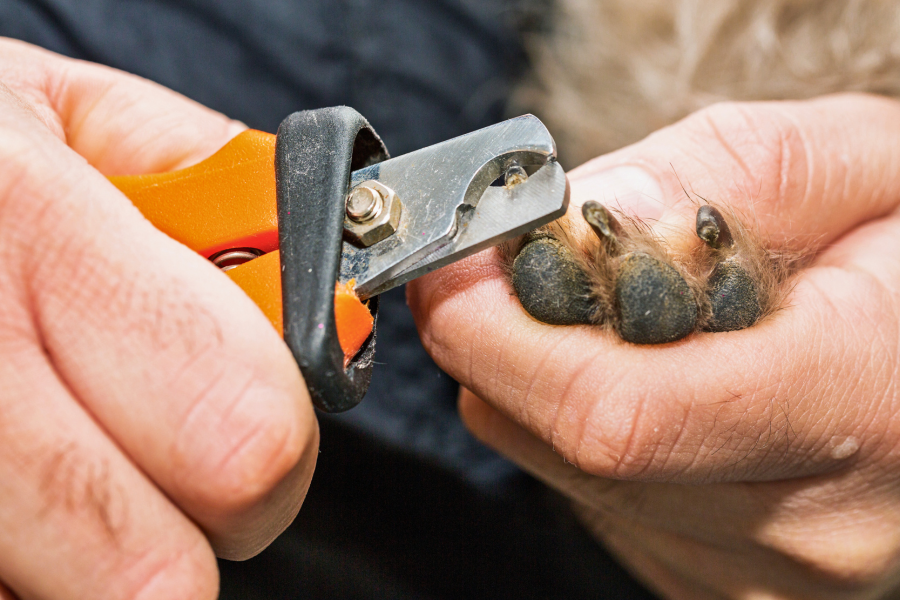
The piece zeroes in on the two most commonly neglected grooming concerns: matted coats and overgrown nails. Mats can pull on the skin, trap debris, hide wounds, and create a cozy home for parasites — and at the extreme end, they can act like a tourniquet around a limb, cutting off circulation and leading to tissue death or bone damage. Overgrown nails are no joke either. Nails that are too long can change how a dog walks, cause joint pain, and even grow into the footpad.
Here is the part that should shift how you talk to clients: in a study of 167 pet owners, 92% had at least one serious barrier to grooming, and 46% faced more than three distinct barriers. The most common culprits were financial strain, lack of transportation, and not having the right tools at home. The average confidence score for nail trimming among pet owners surveyed was a 2.9 out of 10.
Read that again. A 2.9.
Grooming neglect is almost never intentional. It is what happens when life piles up on someone who genuinely loves their pet but does not know what they do not know.
Why Should Every Pet Pro Care About This?
Fair question — especially if grooming is not your primary service. But here is the thing: if you spend time with animals, you are seeing things their owners are not.
The trainer who works with a dog every week notices when the coat starts looking different. The pet sitter who does drop-in visits spots the nails that are starting to curve. The dog walker who picks up the same dog every morning is in a better position than almost anyone to notice gradual changes in how that dog moves, looks, or feels. The pet photographer who handles animals for a shoot catches things in close-up that even attentive owners walk right past.
You do not have to be a groomer to be someone who notices. And noticing — and saying something — is its own form of professional care.
The article makes the point that groomers are often the first to spot signs of skin issues, parasites, or behavioral changes — but that observation applies to every pet professional with consistent, hands-on access to an animal. That is a positioning opportunity hiding in plain sight, no matter what your niche is.
Here Is How You Actually Use This
For content, the core finding — grooming is health care, not cosmetic care — is a theme you can return to again and again regardless of what you do. A trainer can talk about how a matted coat affects a dog's ability to be touched and handled. A pet sitter can post about what they look for during drop-in visits beyond food and water. A dog walker can talk about gait and movement and what changes in how a dog walks might actually signal. A veterinary professional can connect the dots between what they see at wellness visits and what clients are managing — or not managing — at home.
You do not have to make it about grooming specifically. You just have to make it about the whole animal, which is something every pet pro already does. That is the story worth telling.
For strategy, think about your client intake and communication process. Are you asking about grooming history when you onboard a new client? Are you noting anything about coat or nail condition in your visit notes? Are you building even a brief home care observation into your follow-up messages? The article talks about "teaching while you treat" — and that instinct lives in every good pet professional, not just the ones with shears in their hands. You just may not be naming it, documenting it, or making it visible in your marketing yet.
For positioning, this is where it gets really interesting. The article frames the people who work hands-on with animals as allies — genuine members of the animal care team who catch things that fall through the cracks. That is not how the average pet parent thinks about their dog walker or their pet sitter or even their trainer. If you want to be seen as a professional rather than a service provider, start talking like one. Cite sources. Use real language. Show that you pay attention to the whole animal, that you read and learn, and that what you do is grounded in something deeper than a completed task or a cute photo.
The clients who become your most loyal, highest-value ones are already thinking of pet care as a holistic responsibility. Your content and brand voice should signal that you are thinking the same way — because you are.
One Piece of Content to Make This Week
Write or film a short piece called "What I Notice Every Time I See Your Pet (That Goes Way Beyond My Job Description)." Walk through whatever you actually observe during your time with an animal — coat, movement, energy, behavior, nails, eyes, anything. Let people see the layer of attention and care underneath the service they are paying for. That one piece of content does more for your credibility than a dozen cute photos.
You can read the full article at Today's Veterinary Nurse. But the headline is this: what you do matters more than most people realize. Your marketing just needs to start saying it out loud.
